
03/10/2026 · 13 min read
Best Bean-to-Cup Coffee Machines UK 2026: Six Picks Compared
The best bean-to-cup coffee machines on Amazon UK for 2026, from a value fully automatic to a premium machine with automatic milk. Honest advice on grinders, milk frothing, maintenance and real espresso.
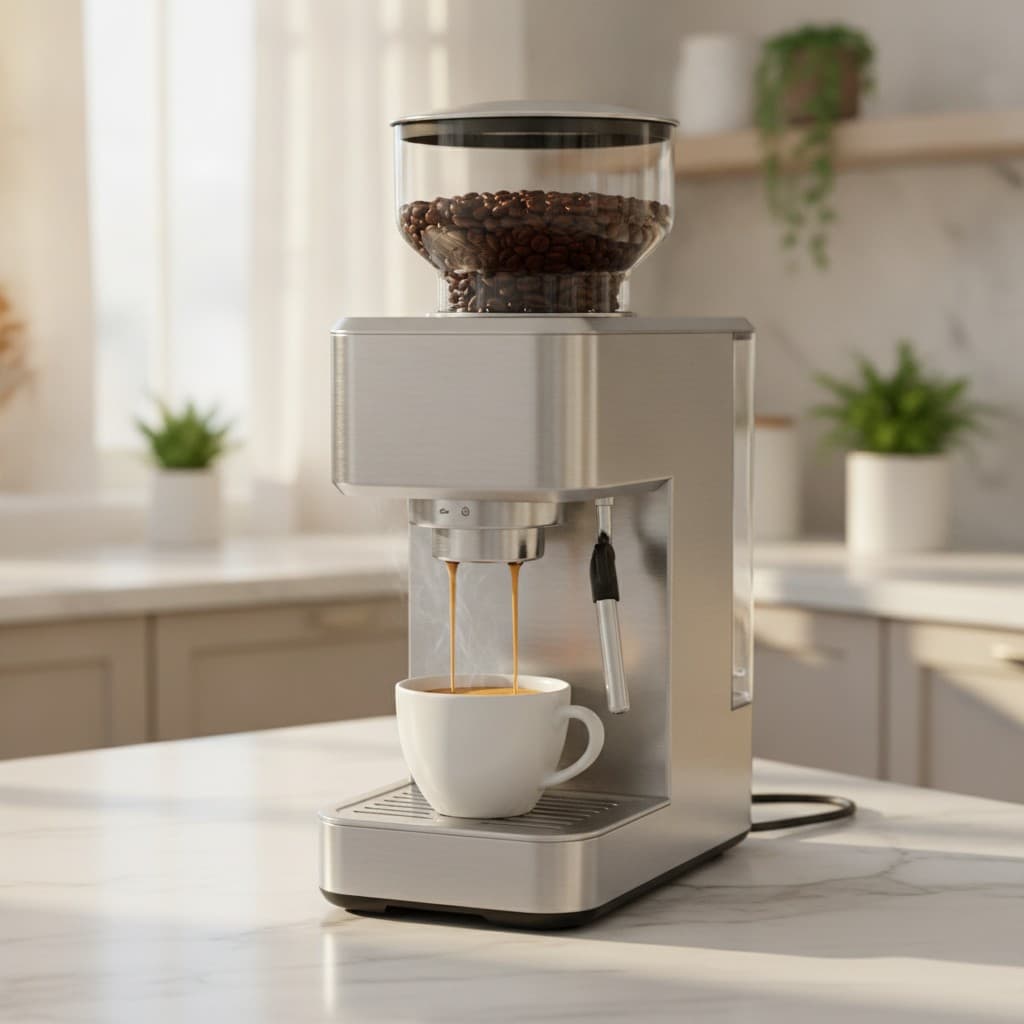
A bean-to-cup machine is the upgrade that turns the morning coffee from a chore into something you look forward to, fresh beans ground to order, a proper espresso in under a minute, and no pods piling up by the bin. The trouble is the listings make every machine look the same, a brushed steel front and a long spec list, and they tell you very little about the grinder inside, how the milk really works, or how much cleaning you are signing up for. Get those wrong and an expensive machine ends up unused on the worktop.
We work with kitchen and home gear all day at Loften, so this guide sticks to what genuinely matters. It explains the handful of things that decide whether a bean-to-cup machine is right for you, then compares six sold on Amazon UK right now, from a value fully automatic to a premium machine that makes milk drinks at the touch of a button. No invented hands on testing, just the trade offs laid out plainly, plus the grinder, milk and maintenance points that decide how much you actually enjoy it.
Some links in this guide are affiliate links, so we may earn a commission if you buy, at no extra cost to you. It never changes what we recommend.
The things that actually matter
Ignore the styling for a moment and get these right first.
- The grinder, because it is the heart of a bean-to-cup machine. Every machine here has a built in burr grinder that grinds beans fresh for each cup, which is the whole point and the reason the coffee tastes better than pods. What varies is adjustability and material. A grinder with several grind settings lets you dial in the strength and crema, and steel or ceramic burrs hold their edge for years. Look for a machine that lets you adjust the grind, and remember the golden rule: change the grind setting only while the machine is grinding, never when it is idle, or you risk the mechanism.
- How the milk works, because this is where machines differ most. There are three approaches. A manual steam wand gives you café style control and the best microfoam, but it takes practice and a steady hand. An automatic milk carafe, like the Philips LatteGo or a De'Longhi LatteCrema jug, froths and pours milk straight into the cup at the press of a button, which is ideal if you want a flat white without the learning curve. A basic pannarello frother sits in between, simpler than a bare wand but more hands on than a carafe. Decide which camp you are in before you spend, because it changes the price and the daily routine.
- Cleaning and maintenance, because a neglected machine makes bad coffee and breaks early. Fully automatic machines rinse themselves on start up and shut down, which keeps the brew unit clean, but you still need to empty the grounds drawer, wash the milk parts after every use, and run a descale cycle every month or two depending on your water. Milk carafes that come apart and go in the dishwasher save real time. If you are in a hard water area, descaling matters even more, which is worth reading alongside our guide to water softeners if limescale is a problem in your kitchen.
- Size, noise and the extras you will actually use, because the headline feature count is mostly marketing. Bean-to-cup machines are tall, so measure the gap under your wall units before you buy, the bean hopper and water tank add height and the lid needs clearance. Grinders are noisy by nature, some more than others. And be honest about the drinks you make: a machine that does twenty programmed recipes is wasted if you only ever pull an espresso and a flat white, so pay for grind quality and milk performance rather than a long menu you will never touch.
All six picks at a glance
| Pick | Best for | Milk | Typical band |
|---|---|---|---|
| De'Longhi Magnifica S | Best value first machine | Manual frother | £300 to £400 |
| Philips Series 3200 LatteGo | Easiest milk drinks | Auto carafe | £350 to £500 |
| De'Longhi Magnifica Evo | The all round upgrade | Manual or LatteCrema | £400 to £600 |
| Gaggia Magenta Prestige | The enthusiast's choice | Manual wand | £400 to £600 |
| Sage the Barista Express | Café control by hand | Manual steam wand | £550 to £750 |
| Philips Series 5400 LatteGo | Premium, most drinks | Auto carafe | £650 to £900 |
Bands are typical Amazon UK prices at the time of writing, quoted as ranges because prices move often.
Our six picks for 2026
1. De'Longhi Magnifica S
Best value first machine. The Magnifica S is the machine most people should start with, a genuinely good fully automatic at the sensible end of the price range, and it is the reason so many UK kitchens got into bean-to-cup in the first place. It grinds fresh, pulls a solid espresso with real crema, has an adjustable grinder, and keeps the controls simple with physical dials rather than a fiddly menu. Milk is handled by a manual frother wand, so a flat white takes a little practice, but the espresso quality for the money is hard to beat. Considerations: the frother is hands on rather than automatic, and the plastic build feels its price. As a first proper machine it is the safe, sensible buy. Check price on Amazon UK
2. Philips Series 3200 LatteGo
Easiest milk drinks. If the thing holding you back is the thought of learning to froth milk, the Philips 3200 with the LatteGo system is the answer. The milk carafe clips on, froths and pours automatically, and then comes apart in two pieces that rinse under the tap or go in the dishwasher, which is the real reason people love it, no tubes to clean. The ceramic burr grinder is quiet by the standards of the class, and the touch panel makes espresso, coffee and cappuccino straightforward. Considerations: the froth is good rather than barista perfect, and the LatteGo range runs up in price as you add drinks and a screen. For hands off milk drinks with minimal cleaning, it is the easiest machine here. Check price on Amazon UK
3. De'Longhi Magnifica Evo
The all round upgrade. The Magnifica Evo is the natural step up from the original S, keeping the easy controls but adding a better grinder with more settings, a bean adapt feature and, depending on the model you choose, either a manual frother or the automatic LatteCrema milk jug. That choice is the key, the LatteCrema version makes genuinely good automatic milk drinks and the jug stores in the fridge, while the manual version keeps the price down for people happy to froth by hand. It is quieter than the old S and the coffee is a clear improvement. Considerations: check exactly which milk system the listing includes before you buy, because the name covers several versions at different prices. For most households this is the sweet spot. Check price on Amazon UK
4. Gaggia Magenta Prestige
The enthusiast's choice. Gaggia has a long espresso heritage and the Magenta Prestige shows it, a fully automatic that leans towards flavour, with a steel burr grinder, adjustable strength and temperature, and a proper manual steam wand for people who want to texture their own milk. It rewards a little effort with espresso that tastes closer to a good independent café than most machines at the price. Considerations: the manual wand means milk is a skill, the interface is more utilitarian than the Philips, and spare parts are worth checking locally. If you care more about the coffee in the cup than one touch convenience, Gaggia is the one to shortlist. Check price on Amazon UK
5. Sage the Barista Express
Café control by hand. A quick note on this one: the Barista Express is not a fully automatic bean-to-cup machine, it is a semi automatic with a built in grinder, so you grind, dose, tamp and pull the shot yourself with a manual steam wand. We include it because so many people cross shop it, and because if you want to actually learn espresso and get the best possible cup at home, nothing automatic matches the control it gives you. The integrated conical burr grinder, the pressure gauge and the powerful steam wand are a complete starter setup in one box. Considerations: it is hands on every single cup, it takes up real worktop space, and there is a learning curve. Buy it if you find the process enjoyable, not if you want a drink at the press of a button. Check price on Amazon UK
6. Philips Series 5400 LatteGo
Premium, the most drinks. The 5400 is the machine to look at if you want the widest range of one touch drinks with the least fuss, building on the LatteGo carafe with a clear display, individual user profiles so each person keeps their own settings, and a long list of recipes from espresso and flat white to a proper latte macchiato. The same two piece milk system that makes the 3200 so easy to clean carries over, which matters more as you make milk drinks daily. Considerations: it sits at the top of the Philips range on price, and you are paying for breadth, so it only makes sense if a household will genuinely use the variety and the profiles. For a busy family that drinks a bit of everything, it is the most convenient machine here. Check price on Amazon UK
Which one should you buy?
If this is your first machine and you mostly drink espresso or black coffee, the De'Longhi Magnifica S gives you the best coffee for the money and simple controls. If you want milk drinks with no learning curve and the least washing up, the Philips Series 3200 LatteGo is the easiest to live with. For most households that want one machine to do it all well, the De'Longhi Magnifica Evo in its LatteCrema form is the sweet spot of quality and convenience. If you care most about flavour and are happy to froth milk yourself, shortlist the Gaggia Magenta Prestige, and if you actively want to learn espresso as a hobby, the Sage Barista Express is the hands on choice. Only step up to the Philips 5400 if a household will truly use the wider menu and personal profiles.
Common mistakes to avoid
The biggest mistake is paying for a long recipe menu and then only ever making two drinks, so be honest about what you will use and spend the money on grind quality and milk performance instead. The second is underestimating cleaning, a bean-to-cup machine needs the grounds drawer emptied, the milk parts washed after every use and a descale cycle every month or two, and skipping that is what kills machines early and makes the coffee taste stale. In hard water areas descaling is relentless, so soft water makes a real difference to both the coffee and the lifespan, which ties into our guide to water softeners. Finally, measure the space, these machines are tall and need clearance above for the bean hopper lid and water tank, and a quick check with a tape measure saves a frustrating return.
Frequently asked questions
Is a bean-to-cup machine cheaper than buying pods? Over time, usually yes. The machine costs more upfront, but whole beans are far cheaper per cup than capsules and you avoid the waste, so a regular coffee drinker often recovers the difference within a year or two, on top of better coffee.
Can I use any coffee beans? Yes, any roasted coffee beans work, though most machines prefer beans that are not too oily, as very dark, oily roasts can clog the grinder over time. A medium or medium dark espresso roast is a safe, reliable choice.
How often do I need to descale it? Every one to two months for most households, and more often in a hard water area. The machine usually prompts you, and running the cycle on time is the single best thing you can do to keep it working and the coffee tasting clean.
Do I have to clean the milk system every day? Yes, any part that touches milk should be rinsed after each use to stay hygienic, which is why the two piece dishwasher safe carafes on the Philips machines are such a selling point. Automatic jug systems often run a rinse cycle, but the parts still need regular washing.
What is the difference between bean-to-cup and a machine like the Sage Barista Express? A true bean-to-cup machine grinds, doses and brews automatically at the press of a button, while the Barista Express is semi automatic, so you control the grind, dose, tamp and shot by hand. One is about convenience, the other about control.
As an Amazon Associate we earn from qualifying purchases.
Small upgrades, honestly picked
See the Loften Home range. No filler, no overpriced brands.
Shop the range