
22/10/2026 · 14 min read
Best Induction Hobs UK 2026: Six Picks Compared
The best induction hobs on Amazon UK for 2026, from a value 60cm four zone to a premium flex zone and a venting hob with a built-in extractor. Honest advice on size and zones, the 13 amp plug-in question, flex cooking areas, controls and the safety features that make induction worth the switch.
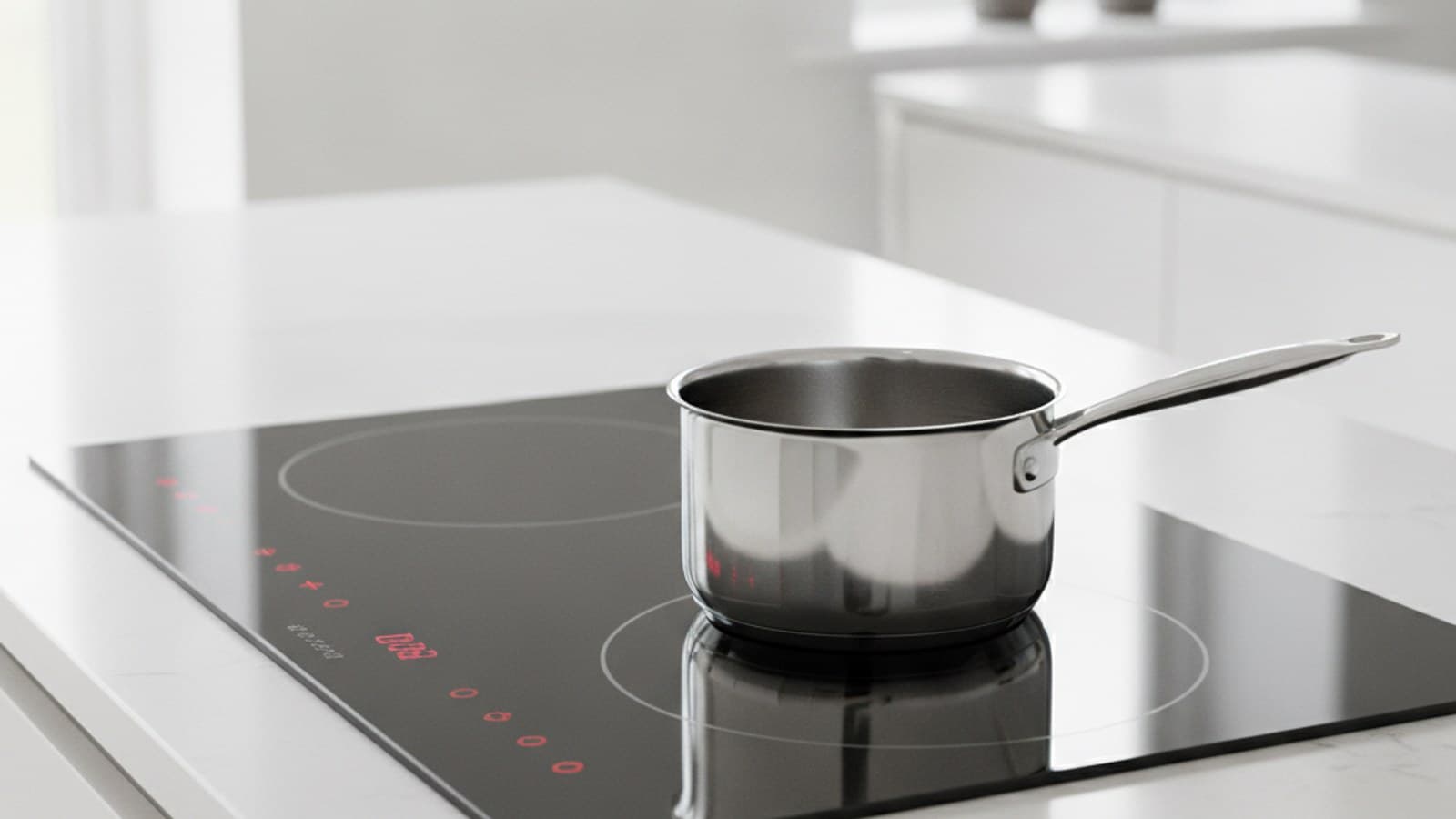
An induction hob is the upgrade most people notice every single day they cook. It boils a pan of water faster than gas, wipes clean in seconds because the glass barely gets hot, and holds a simmer so precisely that sauces stop catching. Get the right one and the kitchen feels genuinely modernised. Get the wrong one and you discover the catches after it is fitted, a hob that needed a new 32 amp circuit you did not budget for, zones too small for your biggest pan, or touch controls so fiddly they infuriate you mid-fry. The listings rarely help, because they lead with the zone count and bury the connection type, which is the single thing that decides how much the whole job costs.
We work with kitchen and home fittings all day at Loften, so this guide sticks to what genuinely matters. It explains the handful of things that decide whether an induction hob is right for your kitchen, including the 13 amp plug-in question almost nobody explains, then compares six sold on Amazon UK right now, from a value 60cm four zone to a premium flex zone and a venting hob with its own built-in extractor. No invented hands on testing, just the trade offs laid out plainly.
Some links in this guide are affiliate links, so we may earn a commission if you buy, at no extra cost to you. It never changes what we recommend.
Quick answer
For most UK kitchens the sensible buy is a 60cm built-in induction hob with four zones, touch controls, a power boost and the core safety features, from a brand with a reputation for reliable glass and electronics such as Bosch. That size drops into the standard worktop cut-out most kitchens already have, four zones cover family cooking comfortably, and boost gets a big pan of water boiling in a couple of minutes. The one thing to settle before you buy is the electrical connection, because most induction hobs need a dedicated 32 amp circuit fitted by an electrician, while a smaller group of plug-in models run from a normal 13 amp socket and suit a straight swap without rewiring. Check your circuit, measure the cut-out, and keep reading for how to choose and which six make the shortlist.
The things that actually matter
Ignore the zone count headline for a moment and get these right first.
- The electrical connection, because it decides the real cost of the job. This is the point the listings bury. Most full-power induction hobs need their own dedicated circuit, typically 32 amps, run from the consumer unit and fitted by a qualified electrician, which is straightforward in a kitchen that already had an electric hob on its own circuit but adds real cost if you are coming from gas. A growing group of 13 amp plug-and-play models cap their total power so they can run from a normal socket, which makes them perfect for a simple swap, a rental or a kitchen refresh without rewiring. Neither is better, they suit different kitchens, but you must know which you are buying before you order, not when the fitter arrives.
- Size and zones, matched to how you actually cook. The standard width is 60cm with four zones, which drops into the common worktop cut-out and covers almost all family cooking. An 80cm five zone hob gives bigger pans room to sit side by side and suits a larger kitchen or a keen cook, while compact 30cm two zone domino hobs suit very small kitchens. Check the zone sizes as well as the count, because your largest frying pan needs a zone that matches it, and measure the existing cut-out in the worktop before anything else.
- Flex zones and bridging, the feature worth paying for if you cook seriously. On a standard hob each pan sits on its own fixed circle. A flex or bridge zone joins two zones into one long cooking area, so a griddle plate, a fish kettle or a big casserole heats evenly across the whole base, and the best versions detect the pan wherever you put it down. It is the single upgrade that changes how the hob feels to cook on, and it is the main thing the premium brands are charging for.
- Controls and boost, because you touch them every time you cook. Slider touch controls let you jump straight to a power level with one finger and are far nicer to live with than repeated plus and minus tapping, and individual zone sliders beat a single shared control. A power boost that pushes one zone to maximum for a few minutes is what gets pasta water boiling in the time gas takes to warm the pan. Look for a pause or keep-warm function too, small features that get used constantly once you have them.
- Pans and safety, the practical points people forget. Induction only works with pans that have a magnetic base, so cast iron and most modern stainless steel work while plain aluminium and copper do not, and the quick test is whether a fridge magnet sticks to the pan bottom. On safety, induction is the safest hob type there is: the glass only takes heat from the pan so it cools fast, pan detection shuts a zone off when the pan lifts away, residual heat lights warn while the surface is warm, and a child lock freezes the controls. If you are switching from gas, these are the features that make the change feel worth it beyond the speed.
All six picks at a glance
| Pick | Best for | Type | Typical band |
|---|---|---|---|
| Bosch Series 4 60cm | Best overall | 60cm, 4 zones, hardwired | £300 to £450 |
| Hisense 60cm | Best value | 60cm, 4 zones, hardwired | £170 to £280 |
| 13 amp plug-in 60cm | Best no-rewire swap | 60cm, 4 zones, plugs in | £200 to £350 |
| Neff N70 FlexInduction | Best premium flexible | 60cm, flex zones | £500 to £800 |
| AEG 80cm 5 zone | Best for larger kitchens | 80cm, 5 zones | £450 to £700 |
| Venting induction hob | Best for islands and open plan | Hob with built-in extractor | £600 to £1,200 |
Bands are typical Amazon UK prices at the time of writing, quoted as ranges because prices move often and installation by an electrician may be extra.
Our six picks for 2026
1. Bosch Series 4 60cm Induction Hob
Best overall. The Bosch Series 4 is our best overall pick because it gets every fundamental right, reliable electronics, responsive zones, a power boost and clean touch controls, from the brand with the strongest reputation in this category. It is a standard 60cm four zone hob that drops into the common worktop cut-out, with pan detection, residual heat indicators, a child lock and a timer per zone, which covers everything a family kitchen actually uses. Bosch glass and electronics have a long record for lasting, which matters on something set into your worktop for the next decade. Considerations: it needs a dedicated circuit and an electrician to connect it, like most full-power hobs, and it does not have the flex bridging of the premium picks. For a kitchen that wants induction done properly at a sensible price, it is the safe, sensible choice. Check price on Amazon UK
2. Hisense 60cm Induction Hob
Best value. The Hisense 60cm is our value pick because it delivers the real induction experience, fast heat, precise control, easy-wipe glass, at the lowest sensible outlay here. You get four zones, touch controls, a boost function and the core safety set, pan detection, residual heat lights and a child lock, which is the same day-to-day package most people use on hobs costing twice as much. Hisense has become a serious appliance brand in the UK and the value is genuine rather than cut-corner. Considerations: the controls are plus and minus rather than sliders, the maximum power and zone sizes are more modest than the premium picks, and it still needs a proper hardwired connection, so budget for the electrician. For a first induction hob or a rental-grade refit done properly, it is the value buy. Check price on Amazon UK
3. 13 Amp Plug-In Induction Hob
Best no-rewire swap. A 13 amp plug-and-play induction hob is our pick for the kitchen that wants induction without an electrician, because it runs from a normal socket like a kettle does. These models cap their total power so they never draw more than a standard plug can supply, which makes them the answer for a straight swap where an old ceramic hob died, a rental where rewiring is not happening, or a refresh on a budget where the sparky callout would have doubled the cost. You still get four zones, touch controls and the full induction feel for everyday cooking. Considerations: because total power is capped, running every zone flat out at once is where you feel the limit, so they suit normal cooking rather than four big pans on maximum together, and you should confirm the model is genuinely 13 amp plug fitted rather than hardwire-only. For the simplest possible route into induction, this is it. Check price on Amazon UK
4. Neff N70 FlexInduction Hob
Best premium flexible. The Neff N70 with FlexInduction is our premium pick because flex zones change how a hob feels to cook on, and Neff does them as well as anyone. Two zones bridge into one long cooking area, so a griddle, a long casserole or a row of small pans heats evenly wherever it sits, and the hob detects the pan position for you. Around that headline you get slider controls that jump straight to a power level, strong boost, and the fit and finish that make a premium kitchen feel premium. Neff sits in the same group as Bosch and Siemens, so the reliability pedigree is shared. Considerations: it is a real step up in price, it needs the dedicated circuit and electrician, and the benefit is biggest for people who actually cook with griddles and big pans rather than occasional users. For the keen cook ready to pay for the best everyday experience, this is the one. Check price on Amazon UK
5. AEG 80cm 5 Zone Induction Hob
Best for larger kitchens. The AEG 80cm five zone is our pick when the kitchen and the cooking outgrow a standard 60cm hob. The extra width means big pans sit side by side without jostling, the fifth zone keeps a sauce warm while the mains cook, and AEG models typically bring bridging on at least one pair of zones plus refined slider controls. For a family that genuinely cooks, or an open-plan kitchen where the hob is the centrepiece of the worktop, the extra space is the kind of upgrade you feel every single evening. Considerations: an 80cm hob needs an 80cm cut-out, so this is a choice for a new worktop or a kitchen already cut for it rather than a drop-in swap, and it needs the dedicated circuit. Check the cut-out dimensions against your worktop before ordering. For the bigger kitchen, it is the one to pick. Check price on Amazon UK
6. Venting Induction Hob
Best for islands and open plan. A venting induction hob builds the extractor into the middle of the hob itself, pulling steam and cooking smells downward at the pan instead of hoping a ceiling hood catches them, and it is the answer for kitchen islands where hanging a hood would ruin the room. One appliance handles cooking and extraction, the worktop line stays completely clean, and modern downdraft systems are quieter than many overhead hoods at the same clearing power. Brands across the range offer recirculating setups that filter and return the air, so an island installation does not need a duct run to an outside wall. Considerations: this is the most expensive pick here and the most involved to install, needing the dedicated circuit plus space below the hob for the vent unit, so it belongs in a planned kitchen project rather than a quick swap. If you are specifying an island kitchen, start here, and see our guide to the best cooker hoods UK if a wall hob and hood suits your layout better. Check price on Amazon UK
How to choose the right induction hob
Start with the electrics and the cut-out, not the brand. Check whether your kitchen already has a dedicated hob circuit, because if it does, any hob here is a straightforward fit for an electrician, and if it does not, you are choosing between paying for a new circuit or picking the 13 amp plug-in route. Then measure the existing worktop cut-out, because a 60cm hob swaps cleanly into the standard opening while an 80cm or venting hob is a decision you make as part of a worktop or kitchen project. Those two checks decide more about the real cost than anything on the specification sheet.
Then match the hob to how you cook. A family doing normal weeknight cooking is completely served by a quality 60cm four zone like the Bosch, with the Hisense covering the same job on a tighter budget. A keen cook who uses griddles and big pans gets real daily value from Neff flex zones or the width of the AEG, and an island kitchen should look hard at a venting hob before settling for a compromised ceiling hood. Check your pans with a fridge magnet, confirm the connection type on the exact model, and the right induction hob is an easy call. If you are planning the wider kitchen, our guides to the best built-in ovens UK and the best dishwashers UK cover the appliances that usually get chosen in the same project.
Frequently asked questions
Do I need special pans for an induction hob?
You need pans with a magnetic base, because induction works by magnetising the pan itself rather than heating the glass under it. Cast iron, enamelled cast iron and most modern stainless steel cookware work, while plain aluminium, copper and glass do not unless they have a bonded magnetic base plate. The test takes two seconds, hold a fridge magnet to the bottom of the pan, and if it sticks firmly the pan works on induction. Most cookware sold in the UK in recent years is induction-ready and marked with a coil symbol on the base, so many kitchens only need to replace a pan or two rather than the whole set.
Can I install an induction hob myself or do I need an electrician?
For most induction hobs you need a qualified electrician, because they draw more power than a plug can supply and must be hardwired to a dedicated circuit, typically 32 amps, with their own breaker. If your kitchen already had an electric hob on its own circuit, connection is usually quick and inexpensive. If you are coming from gas, budget for the circuit to be run and for the gas supply to be safely capped by a Gas Safe engineer. The exception is the 13 amp plug-and-play category, which caps its power so it can run from a normal socket, and fitting one is no more complicated than fitting any built-in appliance. Whichever route you take, the worktop cut-out itself is standard joinery and any kitchen fitter can handle it.
What is the difference between induction and ceramic hobs?
They look almost identical, a smooth black glass surface, but they work completely differently. A ceramic hob heats an element under the glass, which then heats the pan slowly and stays dangerously hot long after cooking, while an induction hob magnetises the pan directly so the pan itself is the thing that gets hot. In practice induction is much faster, noticeably more controllable at low simmering power, safer because the glass only picks up residual warmth from the pan, and cheaper to run because almost no heat is wasted around the pan. Ceramic is cheaper to buy and works with any pan, which is why it survives at the budget end, but if the wiring and the pans allow it, induction is the better hob in every way that matters day to day.
Is an induction hob cheaper to run than gas?
Per unit of energy, mains gas costs less than electricity in the UK, but induction is so much more efficient that the real-world running costs end up close, because induction puts most of its energy straight into the pan while a gas flame wastes a large share heating the air around it. Induction also boils water dramatically faster, holds low temperatures more precisely, and removes the health and ventilation concerns of burning gas in the kitchen. Most people switching do it for the speed, the control, the easy cleaning and the safety rather than a dramatic fuel saving, and on those measures the upgrade is immediate and permanent.
Small upgrades, honestly picked
See the Loften Home range. No filler, no overpriced brands.
Shop the range